
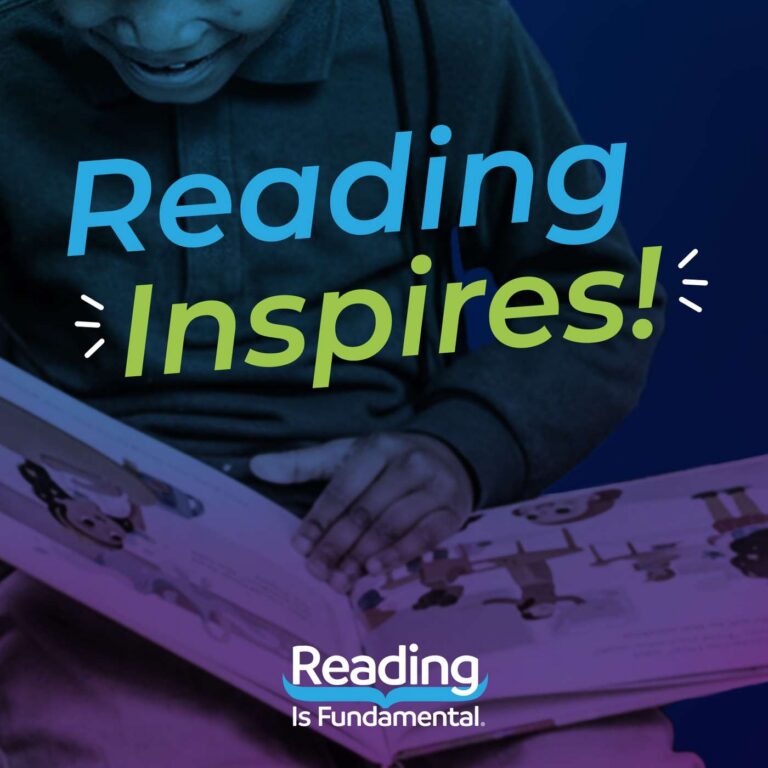
Underutilized school libraries can become much more than storage for books. When schools invest in literacy hubs, they create spaces that support access, belonging, and a real culture of reading.
The strongest version of this work is not cosmetic. A refreshed library matters, but the deeper shift comes when the space is staffed, the collection reflects students, and the work is built in partnership with the school community.
What makes a literacy hub work
A literacy hub is designed to be the heart of a school’s reading culture. That means the space is welcoming, the books are intentional, and students have consistent access to an educator who can support literacy throughout the year.
In practice, that includes:
- A curated book collection that reflects students’ identities, interests, and experiences
- A full-time educator staffing the space every day
- Literacy instruction for students across the school building
- After-school and summer programming
- Family and caregiver involvement
- Monthly author and illustrator visits
This is the difference between a room with books and a living literacy environment.
Representation is not optional
Representation sits at the center of effective reading environments. When children see themselves in books, they get a powerful message: their story is worthy of being told.
That matters for more than confidence. Culturally responsive books can increase engagement, spark book discussions, and even lead students to create their own book clubs. Just as important, diverse books help students build empathy and curiosity about lives different from their own.
Authors and illustrators deepen that impact. When students meet creatives who reflect their identities, stories feel real and reading feels possible.
Reading culture depends on trust
Sustainable literacy work does not come from assumptions. It starts with listening.
Every school community has different strengths and needs. That means the most effective partnerships are rooted in trust, consistency, and shared design. Schools should not be handed a one-size-fits-all solution. They should help shape it.
That approach builds ownership. Teachers, families, and school leaders are more likely to sustain a literacy culture when they feel part of creating it.
Joy is a serious educational goal
Reading joy is easy to overlook when schools focus only on academic data. But joy matters. Belonging matters. Comfort matters.
When students say a library is their favorite room in the school, or choose to take a book home to read to a sibling, or ask for a Spanish-language book to share with family, that is not a small outcome. It is evidence that reading has shifted from something they have to do into something they want to do.
That shift is the point. Strong readers are important, but so are children who associate books with comfort, possibility, and connection.
What school leaders should take from this model
Building a thriving reading culture takes time, but it is possible. The work is most effective when schools:
- Invest in welcoming, functional library spaces
- Prioritize culturally responsive collections
- Staff the space consistently
- Build relationships before launching programs
- Work alongside families, teachers, and community partners
- Think long term rather than as a one-time intervention
There is also real value in collaboration across organizations. Schools do not need isolated efforts competing for attention. They need partners working together to reach more students and families with more meaningful support.
The bigger goal
A literacy hub is not just a project. It is a way to build a school culture where children feel seen, supported, and excited to read. That is what creates lasting change.
When schools treat reading as a source of joy and identity, they give students something deeper than access to books. They give them a reason to return, a place to belong, and a belief that their stories matter.
Frequently Asked Questions
What is a literacy hub?
A literacy hub is a school library space transformed into a welcoming, fully staffed center for literacy instruction, book access, and reading culture.
Why is representation important in children’s books?
Representation tells children their story is worthy of being told and helps them feel seen, engaged, and more confident as readers.
What makes school partnerships sustainable?
Sustainable partnerships are rooted in listening, trust, consistency, and designing solutions with schools rather than for them.
Why does reading joy matter in schools?
Reading joy helps children move from seeing reading as an obligation to seeing it as something they want to do, which supports lasting reading habits.
For more context, listen to the original episode of Reading Inspires by Reading Is Fundamental: Lighting the Way to Reading Joy with Rina Madhani.