
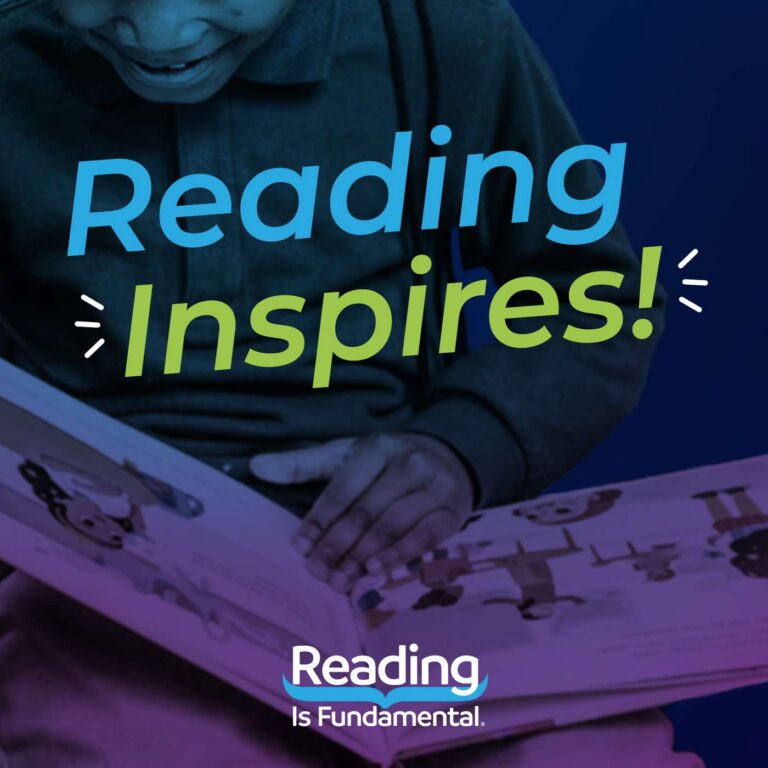
Book access is not a nice extra. It is a foundation for empathy, confidence, and opportunity. When children can read widely and often, they build the skills and worldview that shape how they move through the world.
Why book access matters
Children cannot benefit from books they do not have. When books are hard to find, too expensive, or absent from homes and neighborhoods, literacy becomes less about ability and more about access. That gap matters.
Book access supports more than reading skill. It helps children build vocabulary, analysis, and empathy. Reading creates a way to step into another person’s world and see them as a person first. That matters in a world that often pushes people to react quickly instead of understanding deeply.
Book deserts limit what children can do
Communities with few nearby libraries or bookstores, or with books that are too expensive, create barriers that children should not have to overcome alone. Those book deserts restrict learning and reduce the chance for children to develop the habits that reading makes possible.
Making books more accessible is not only about literacy. It is about giving children the tools to learn, imagine, and grow.
Kindness works best as a shared practice
Kindness is strongest when it is part of everyday life. Small actions like waving to a neighbor, helping a friend with chores, or being intentional in ordinary interactions can change how a child sees the world.
That same idea applies to schools and homes. Children learn by watching the people around them. If adults model kindness, children are more likely to treat others with care and carry that habit forward.
Leadership is not just being in front
Leadership does not have to mean being the loudest person or always standing at the front. Quiet leadership matters too. Setting a good example, listening well, and making sure everyone on a team feels valued are all forms of leadership.
In classrooms and communities, children can lead through teamwork, self-confidence, and consistency. They do not have to wait until they are older to make a positive impact.
What educators and families should remember
- Book access strengthens reading, empathy, and confidence.
- Kindness becomes stronger when children see it modeled at home and at school.
- Leadership can be quiet, collaborative, and age-appropriate.
- Community support makes change possible at any age.
The larger lesson is simple: children do not need permission to care, lead, or help. They need access, encouragement, and people willing to race alongside them.
When books are available and kindness is practiced consistently, communities become stronger. Everybody wins.
Frequently Asked Questions
Why is book access so important for children?
Book access helps children build vocabulary, analysis, empathy, and a broader worldview. It also opens up learning and future possibilities.
How can families teach kindness at home?
Families can model kindness through everyday actions and intentional interactions, so children learn by seeing it practiced around them.
How is leadership defined here?
Leadership includes teamwork, self-confidence, listening, and making others feel valued. It is not limited to being the person at the front.
What is a book desert?
A book desert is a place where children do not have easy access to books because there are few libraries or bookstores, or books are too expensive.
For more context, listen to the original episode of Reading Inspires by Reading Is Fundamental: Race to Kindness with Orion Jean.