
Computer science literacy should not be treated like a side program, a club, or a compliance box. It is foundational literacy for students who are already living inside algorithm-driven systems. If schools wait until high school to introduce the subject, they often discover the real problem too late: students may see the value, but they do not feel confident enough to pursue it.
Computer science is bigger than coding
Schools often collapse computer science into digital literacy, robotics, or a few coding activities. That creates a shallow picture of the subject. Computer science includes data and analysis, cybersecurity, algorithms, and programming. Coding is only one strand.
That distinction matters. If a district assumes a bit of robotics or a few coding lessons means computer science is covered, students miss the broader foundation they need to understand the technology shaping their lives.
Why K-8 matters most
The strongest case for computer science literacy is in the K-8 years. That is when students form confidence. It is also when they begin deciding whether a subject feels accessible or “for people like them.”
When students first encounter computer science in eighth grade, many already see it as something advanced, distant, or not meant for them. By then, the confidence gap is already visible. Schools that build the foundation earlier give students a better chance to see themselves in future pathways.
Future-ready education starts with foundations
Future-ready education is not about chasing the newest tool. Tools change too quickly for that approach to last. What endures is the foundation: how technology works, how information is processed, and how students learn to think through problems.
That is why future readiness is less about one platform and more about long-term fluency. Students need the kind of understanding that travels with them as technology evolves.
Teachers do not need to be the expert in the room
One of the biggest mindset shifts in computer science and AI instruction is this: teachers do not have to be the expert in the room. In fact, they should not pretend to be one.
The stronger model is facilitation. Teachers can learn alongside students, guide the process, and help them get unstuck. That approach makes room for inquiry, problem-solving, and debugging. It also lowers the pressure that makes new teachers anxious about entering an unfamiliar subject.
In this model, “I don’t know” becomes a strength. It creates trust, invites curiosity, and makes the classroom more collaborative.
AI literacy needs simple, honest explanations
AI should be explained clearly and without hype. At its core, it is a machine brain that works from data and patterns. It does not write itself a perfect understanding of the world.
That is why students need to understand both the power and the limits of AI. It can produce plausible answers, but it can also hallucinate. It can reflect bias because the data it learns from comes from people. The point is not fear. The point is literacy.
Engagement grows when learning feels relevant
Students disengage when school feels boxed in and disconnected from the real world. Cross-curricular teaching helps solve that problem. Computer science can reinforce learning in music, art, science, and other subjects when it is integrated well.
That kind of teaching makes school feel less like isolated content blocks and more like the way the world actually works. It also gives students a reason to care.
What districts should focus on next
Districts should stop treating computer science and AI as add-ons. The work is bigger than compliance. It is about building a foundational pillar that strengthens every pathway, from agriculture to business to manufacturing.
It also means thinking more carefully about the teacher pipeline, the policy layer, and the support teachers need to make this shift well. If schools only create guardrails and never build understanding, they will keep solving the same problem over and over again.
Computer science literacy is not just for future programmers. It is for every student who needs the confidence, agency, and critical understanding to participate in a world shaped by technology.
Frequently Asked Questions
Why should schools teach computer science literacy early?
Early instruction builds confidence and helps students see computer science as a foundation, not an advanced subject reserved for later years.
What does future-ready education mean here?
It means giving students foundational understanding that lasts as technology changes, not just teaching them current tools.
Why don’t teachers need to be the expert in the room?
Because the stronger model is facilitation: teachers can learn alongside students, guide inquiry, and help them get unstuck.
How should AI be explained to students?
As a machine brain that uses data and patterns, can hallucinate, and can reflect bias from the data it learns from.
What makes computer science more engaging for students?
When it is relevant, cross-curricular, and connected to real-world learning instead of isolated into content boxes.
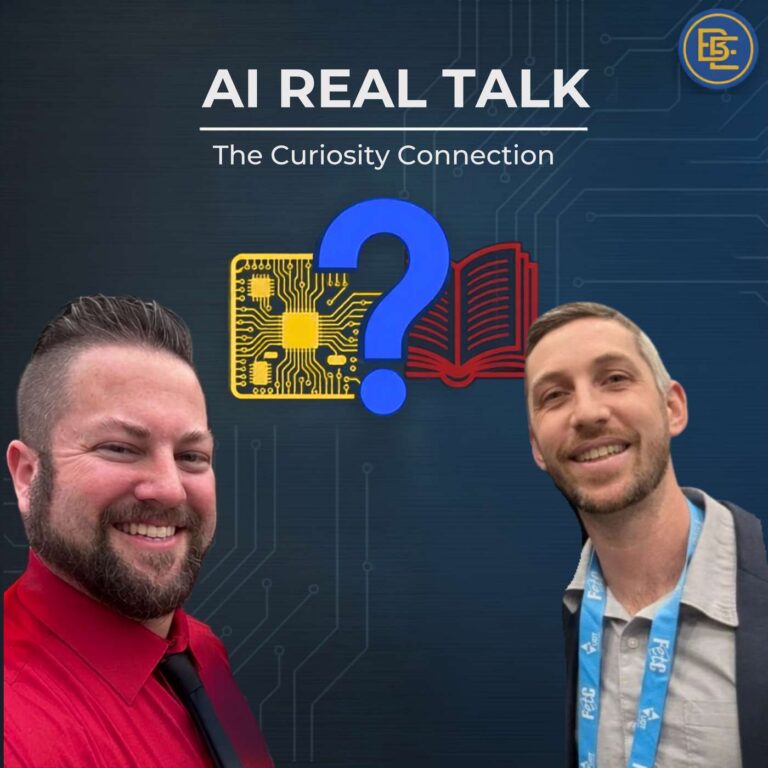
For more context, listen to the original episode of AI Real Talk: The Curiosity Connection: Why Teachers Don't Need to be the Expert in the Classroom with Stewart Brown.